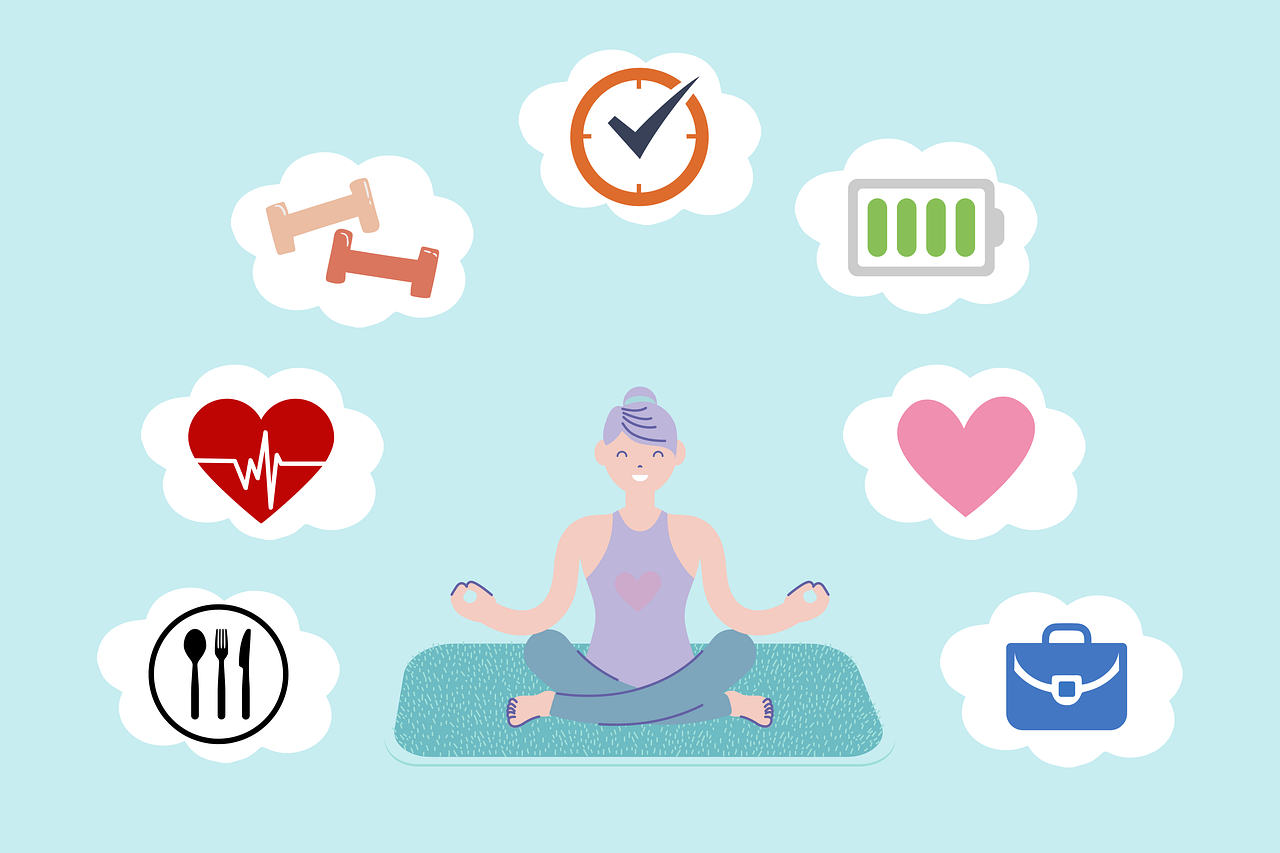
Getting all emotional and allowing it to be seen, can appear to some to be a weakness, but in fact it is very normal! It’s how we cope with emotions that’s important, it’s good to get to know each emotion in order to control it. Like getting to know yourself – journal how you react in situations, write it down and consider how you could have dealt with it better. This is a step to knowing you, what you are like and deciding on how you want to be!
Let’s go over some:
- Happiness – A positive emotion associated with joy, satisfaction, and well-being. It motivates people to seek rewarding experiences and build relationships.
- Sadness – A response to loss, disappointment, or grief. It helps with emotional processing and encourages seeking support from others.
- Fear – A survival driven emotion that alerts people to danger, helping them to react quickly to threats. It can also drive caution and preparedness.
- Anger – A strong reaction to perceived injustice or frustration. It can motivate action and change but needs to be managed constructively.
These emotions impact and influence decision-making, reactions and relationships on a daily basis. Reacting positively is the goal. No one is perfect – but by being able to recognize how you react can better help you to stay in control – instead of allowing your emotions to control you!
A More In-Depth Look.
Being able to understand how these emotions impact our lives is key to managing and controlling them effectively.
1. Happiness:
The impact:
- Happiness increases motivation and creativity. It can be a reaction when you are in a special place that makes you feel happy. When you have accomplished something your’ve worked hard at, when others are happy can make you feel happy as well!
- Strengthens relationships. If you react with a happy emotion around certain people, then they are people you want to keep in your life, if you react the opposite – you could consider the Why? or steer clear of them. If this happens in a work environment – like your boss, or co-worker, it’s probably a good idea to try to work out the Why? and fix it.
Managing Overdependence:
- Avoid chasing happiness at the expense of reality. Focus on what is real and in the now!
- Stay grounded by practicing gratitude and mindfulness. Accept the ups and downs in life and recognize the goodness in everyday experiences.
- Recognize that challenges and discomfort are part of growth. Learn to cope with challenges without constantly striving for happiness – it will come by you developing greater resilience and emotional well-being.
- True well-being involves a combination of physical well-being, mental clarity, meaningful relationships and your purpose in life.
2. Sadness.
Impact:
- Encourages self-reflection and personal growth.
- Increases empathy and connection with others.
- Can reduce motivation and productivity if prolonged.
How to Deal with it:
- Accept and express sadness instead of suppressing it. Allow yourself to feel the emotion, then move on or try talking to a friend, or journaling. Writing down our feelings to look back on can lead to better understanding our reactions.
- Engage in positive activities like exercise or creative outlets (gardening, art, gym).
- Shift focus from problems to possible solutions.
3. Fear.
Impact:
- Protects from danger and helps in risk assessment.
- Can lead to hesitation or missed opportunities if not managed.
How to Deal with it:
- Identify if the fear is rational or exaggerated.
- Face small fears gradually to build confidence.
- Use fear as a motivator – reframe challenges as learning opportunities. We often don’t realize but negative can lead to positive learning.
4. Anger.
Impact:
- Signals unfair treatment or frustration.
- Can damage relationships and decision-making if uncontrolled.
How to Deal with it:
- Try to pause before reacting, take deep breaths or step away.
- Identify the root cause – what triggered the anger? Address the issue, not the emotion.
- Channel anger into positive action – (work out at the gym, dig up your garden, go for a bike ride). Working out is a good way to release the anger – then when your calmer, find ways to deal with the issue at hand. Seek secondary advice or calmly talk to the person involved.