
Eco-Friendly Options
Switching to eco-friendly cleaning products isn’t just about jumping on a trend. It’s about making choices that are healthier for both you and the planet. Regular cleaning products might get the job done, but they often contain harsh chemicals that can be harmful when inhaled or absorbed through the skin. By opting for natural alternatives, you’re reducing your exposure to these nasty chemicals.
Conventional cleaners have a surprising impact on our environment. Once washed down the drain, these toxic concoctions enter our waterways, impacting wildlife and ecosystems. By choosing eco-friendly options, you help minimize this pollution. You’re not only cleaning your house, you’re doing your bit to keep nature clean too.
Eco-friendly cleaning’s not just good for the planet, it’s better for your health too. Many folks find they suffer fewer allergies and skin irritations when they make the switch. It’s all about creating a healthier home environment where you and your loved ones can feel comfortable and safe.
But how does this choice contribute to sustainability? Well, making your cleaning products means less reliance on single-use plastics. Buying ingredients like vinegar or baking soda in bulk reduces packaging waste. Plus, many eco-friendly practices, like using reusable cloths instead of paper towels, help in reducing your carbon footprint.
So, why not give it a try? When you opt for green cleaning, you’re making a thoughtful, impactful choice for a cleaner home and a healthier planet. It’s not just about wiping away the dirt, it’s about wiping away the harm, one sustainable sweep at a time.
The Essentials: Key Ingredients for DIY Natural Cleaners
Diving into the world of DIY cleaners starts with familiarizing yourself with some basic but mighty ingredients. You probably have a few of these knocking around at home already, and they make fantastic bases for your cleaning concoctions.
Baking soda is a versatile superstar. Not only does it scrub away grime like a champ, but it also neutralizes odors, making it great for freshening up everything from carpets to shoes. It’s gentle yet effective, and you can use it pretty much anywhere without worrying about scratching surfaces.
Vinegar is another staple you’ll want to keep close by. Its acidic nature helps break down grease and mineral deposits, and it’s a natural disinfectant. Paired with baking soda, it becomes a bubbling powerhouse that makes cleaning drains a breeze.
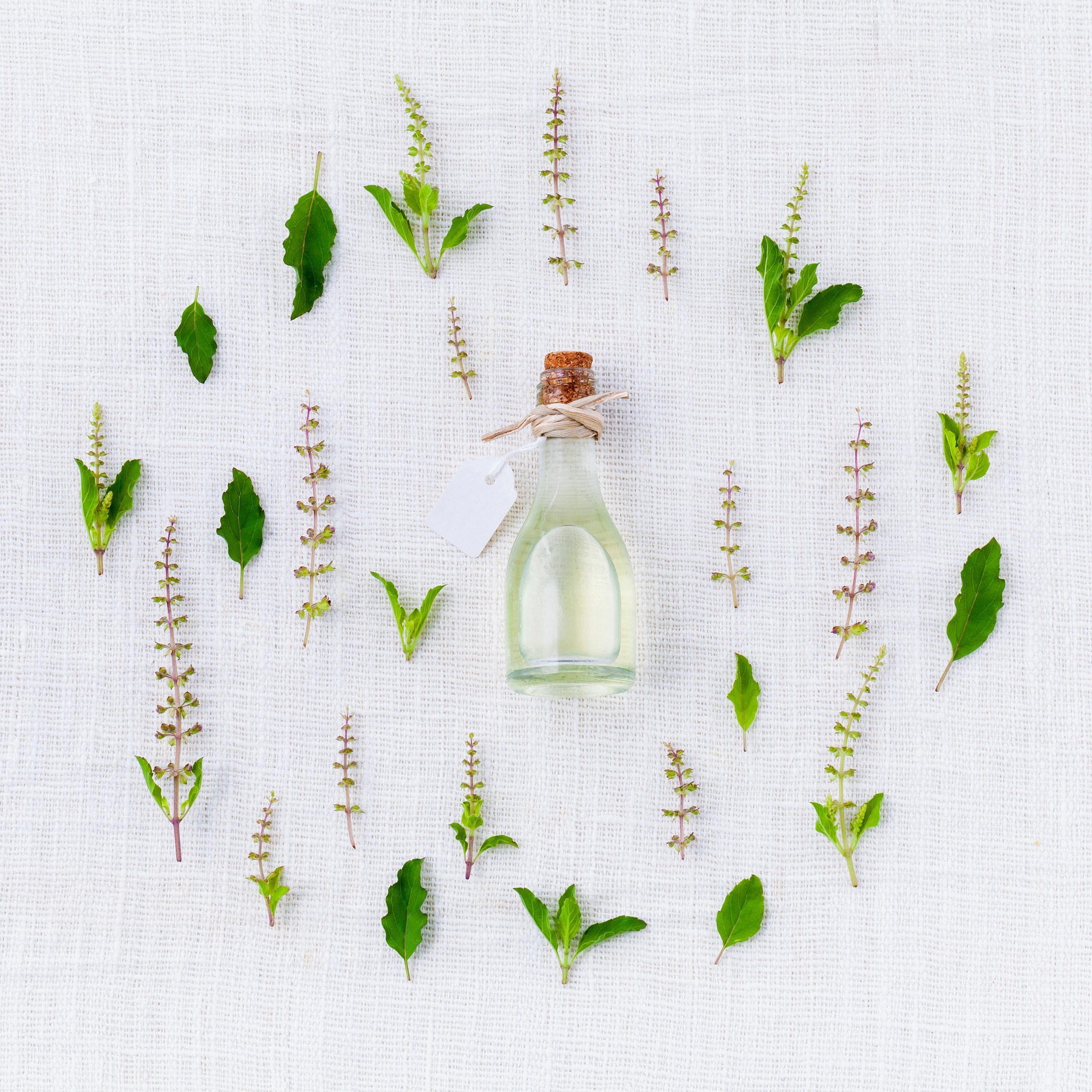
Essential oils like tea tree, lavender, and lemon add more than just pleasant aromas. They pack antimicrobial properties that can boost your cleaner’s effectiveness. A few drops go a long way in freshening up your mix and adding some natural power to tackle germs.
Don’t forget about hydrogen peroxide, that trusty old friend in your first aid kit. It’s fantastic for tackling stains and disinfecting surfaces. It’s especially useful for kitchens and bathrooms where sanitation is crucial.
Mixing these ingredients properly doesn’t require anything fancy. A few simple tools like spray bottles, microfiber cloths, and measuring cups are all you need to get started. In no time, you’ll be crafting natural cleaners that’ll leave both your home and conscience spotless!
Crafting Your Green Cleaners: Simple DIY Recipes
Crafting your own cleaning products is easier than it sounds, and you will know exactly what’s in them. Let’s start with an all-purpose cleaner that’s both effective and fragrant:
- Mix equal parts of water and white vinegar in a spray bottle.
- then add the zest or juice of a lemon for a refreshing scent.
- This blend tackles surfaces from countertops to bathroom tiles.
For spotless windows and mirrors, try this glass cleaner:
- Combine 2 cups of water with half a cup of vinegar.
- Add a tablespoon of cornstarch in a spray bottle.
- A few drops of your favorite essential oil will reduce the vinegar odor.
- Shake well before each use.
To whip up a natural disinfectant:
- Take a cup of water and add half a cup of hydrogen peroxide.
- Add a few drops of tea tree oil.
- This mix is perfect for sanitizing surfaces like kitchen counters and bathroom fixtures without harsh chemicals.
Feeling creative with scents? Experiment by adding different essential oils to these recipes. Not only do they smell great, but oils like eucalyptus or rosemary also add a bit of antibacterial kick.
When it comes to storing your homemade cleaners, keep them in a cool, dark place to maintain their potency. Also, label your bottles, so you know what’s inside and when you made them, ensuring you always have a fresh supply. Remember, small batches keep it fresh and effective with no preservatives involved.